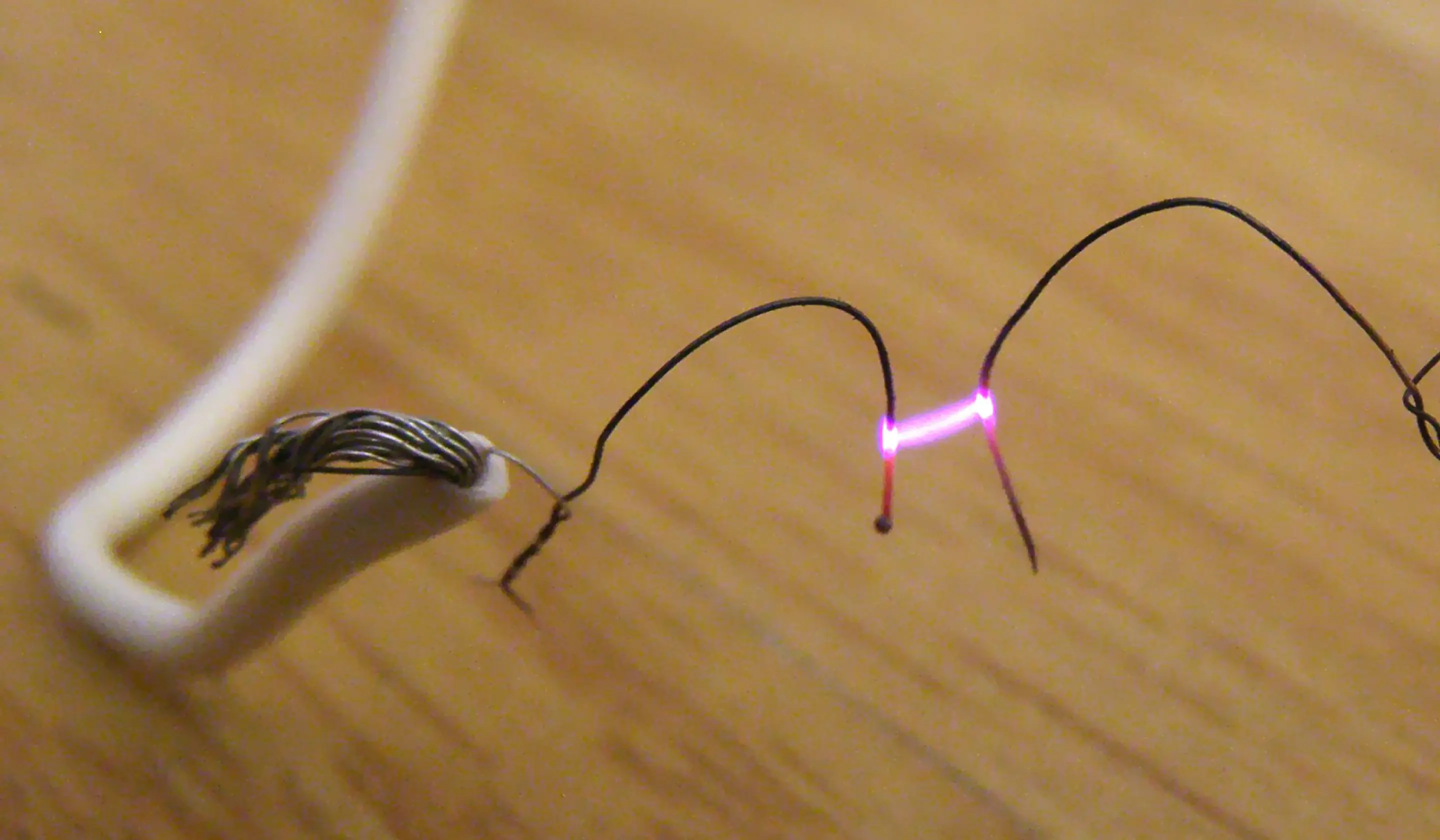
Arcing
Detecting an arc is only part of the challenge.
The rest is avoiding nuisance trips once your product is in the field. That's where our engineers help.
Last updated
Problem
Why the field is harder than the lab
Certification tests prove a product can detect an arc. Real installations are harder, because normal operation can produce signals that look like arcing.
Changing operating conditions
Loads, switching states and environments create signal changes during normal operation.
Arc signatures vary
Sensor placement, wiring and power level influence the signal that reaches the detector.
False trips matter
Protection must respond to genuine events while avoiding unnecessary trips during normal operation.
Every product is different
Detection must fit your sensing, processor, firmware and protection design.
| In the lab | In the field | |
|---|---|---|
| Arc source | Controlled and repeatable | Random and varied |
| Signals | Clean and isolated | Mixed with switching, motor loads and interference |
| What it proves | An arc can be detected | An arc can be told apart from normal operation |
| Success means | Passing the test | Keeping nuisance trips to a minimum |

- Understand
Understand your application
We start from your equipment, wiring and environment, not a generic setup.
- Design
Designed for the field
Built to tell a genuine arc from switching and load changes in real installations.
- Validate
Validated with you
We check detection with data from normal, arc and edge-case conditions in your system.
Features
Built in, with a GUI to check it
Both come with every use case, from your first evaluation to production.
AI arc detection
Runs on the processor inside your product.
Desktop GUI
A Windows app that shows your system's signal and marks each arc it finds.
Your system: Application current
From your DC system or AC circuit.
Your system: Current sensing
A current transformer or another sensor you choose.
Our solution: Arc detection
Embedded software that recognises arc behaviour.
Our solution: Arc decision
Arc or normal, passed on to your system.
Your system: Protection
Your relay, contactor or other response.
Use cases
Different standards, one approach
AFCI and AFDD both detect arcs and break the circuit, under different standards. We develop detection for each, using the same physics-guided approach.
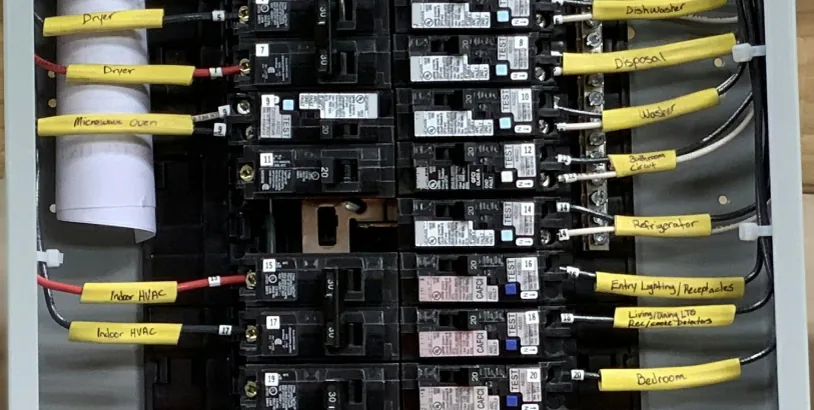
AFCI for AC and DC systems
Arc fault circuit interrupters for AC circuits and for DC systems such as solar, storage and charging.
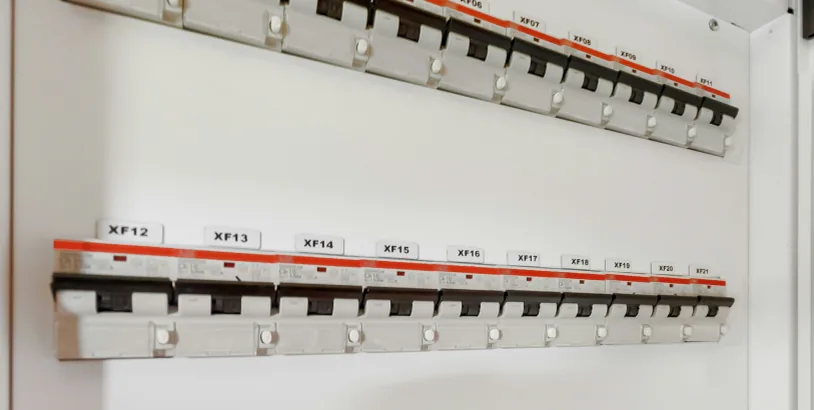
AFDD for AC circuits
Arc fault detection devices, built into circuit breakers for homes and buildings.
Evaluation
Interested in this solution?
Get in touch with our engineering team to evaluate it for your system.
Evaluation solution. Detection performance depends on the target application, sensing architecture, operating conditions and system validation. Customer protection and safety functions remain subject to product-level validation and applicable requirements.
Other solutions
More from our engineers
We take the same approach to vision, audio and depth sensing.