ToF
Measuring depth is only part of the challenge.
The rest is making it work on real surfaces, in real rooms and from wherever your sensor is mounted. That's where our engineers help.
Last updated
Problem
Why real installations are harder than the lab
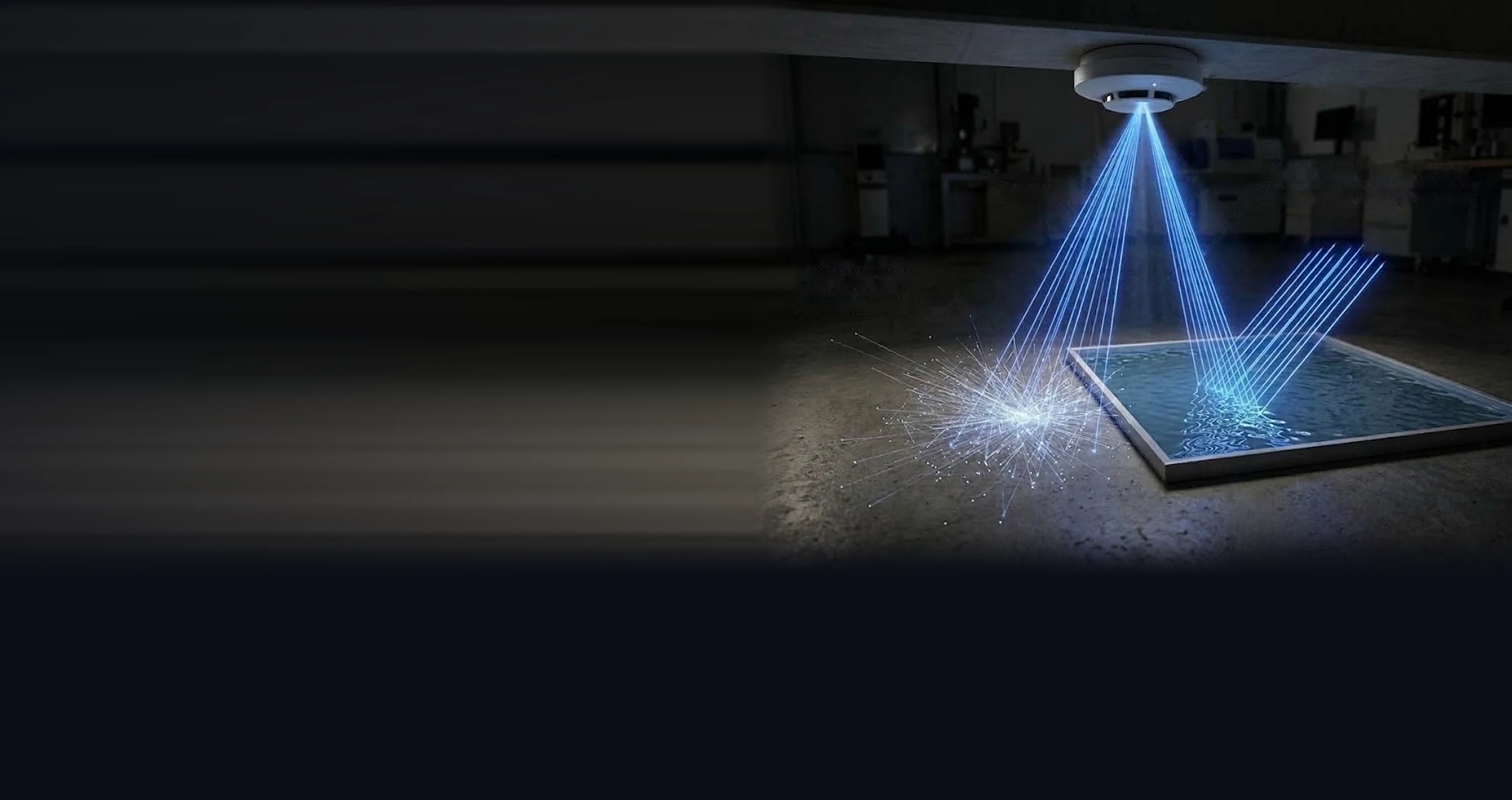
Lab tests prove a distance can be measured. Real installations are harder, because surfaces, mounting and everything that moves change what the sensor sees.
Surfaces differ
Dark, shiny and clear surfaces return light differently, which changes the measured distance.
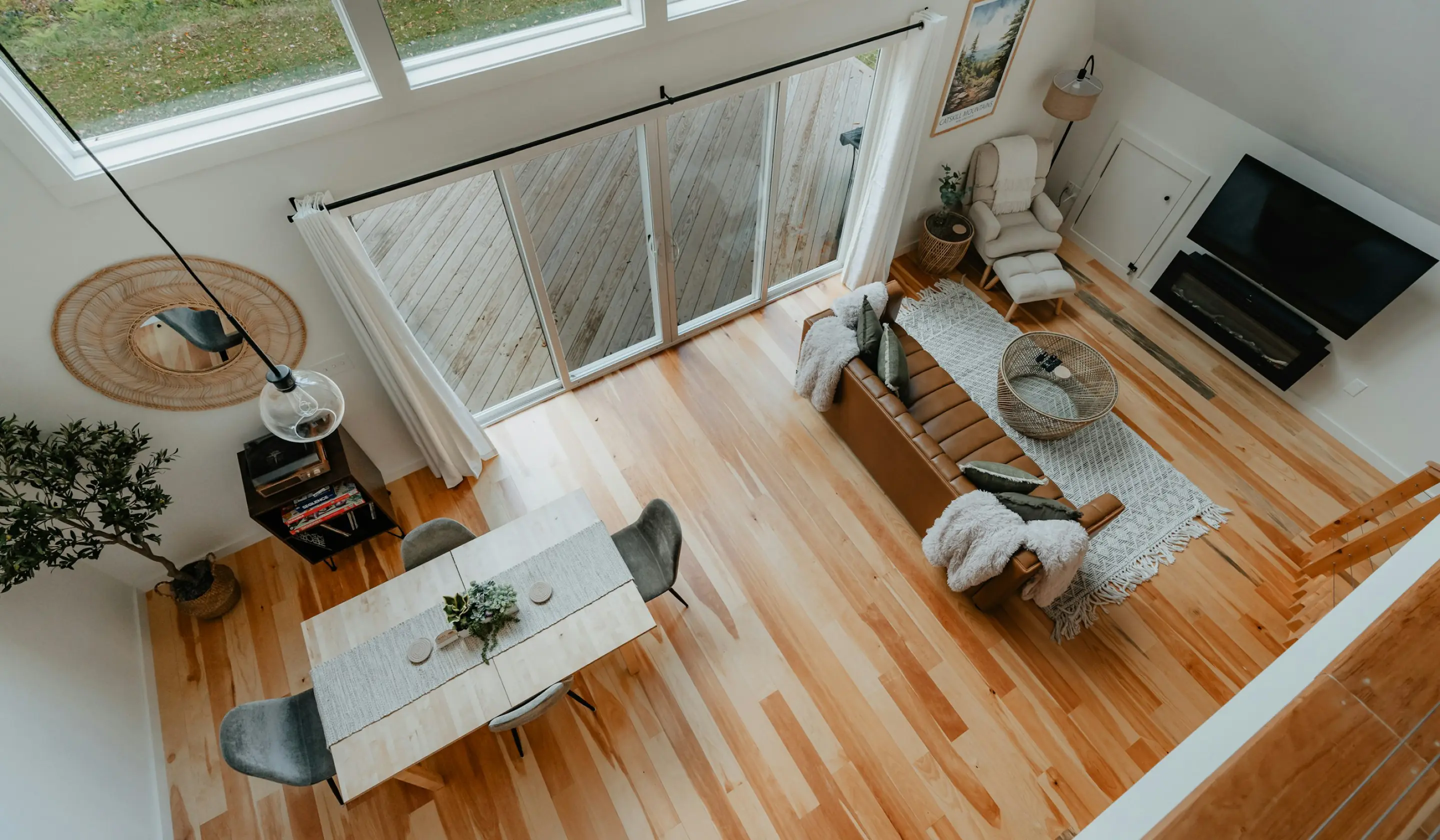
Every mounting is different
Height, angle and the cover window change what the sensor sees.
Things keep moving
People, water and objects move, so one reading is never enough.
Light and steam
Sunlight, steam and condensation add noise to every reading.
| In the lab | In the field | |
|---|---|---|
| Targets | Known, matte surfaces | People, water, glass and furniture |
| Sensor position | Set up for the test | Wherever your product allows |
| Conditions | Clean and steady | Sunlight, steam and movement |
| What it proves | A distance can be measured | The product works where it's installed |
- Understand
Understand your setting
We start from your product, where the sensor sits and what it has to measure.
- Tune
Tune for your installation
We adapt detection to your mounting, your surfaces and your conditions.
- Validate
Validated with your recordings
We check results with depth recordings from your own product and site.
Features
Depth sensing that fits your product
All three come with every use case.
Depth, not images
A time-of-flight sensor measures distance across its view, without capturing a camera image.
Many zones at once
An 8 × 8 grid of zones measures distance across the whole view, not just one point.
Processing on the device
Each reading is processed on the device, next to the sensor.
Your system: Scene
The people, water or objects in view.
Your system: Depth sensor
A multizone time-of-flight sensor in your product.
Our solution: Detection
Finds what matters in each depth map.
Our solution: Analysis
Turns depth into presence, posture or level.
Your system: Your response
Your alert, display or building system.
Use cases
Different jobs, one approach
Knowing someone has fallen and knowing how full a tank is are different problems, so we develop each use case for its own setting.
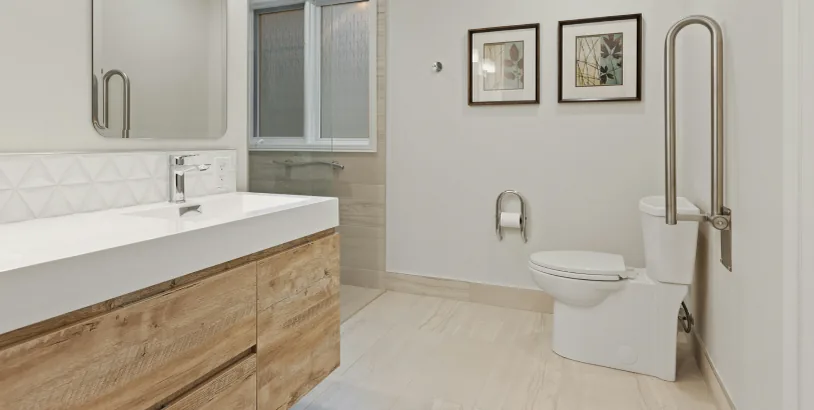
Presence and fall detection
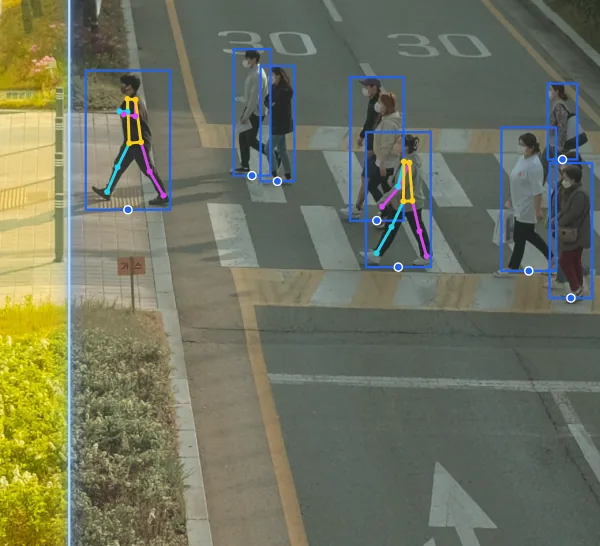
Knows when a room is occupied and when someone has fallen, without a camera image.
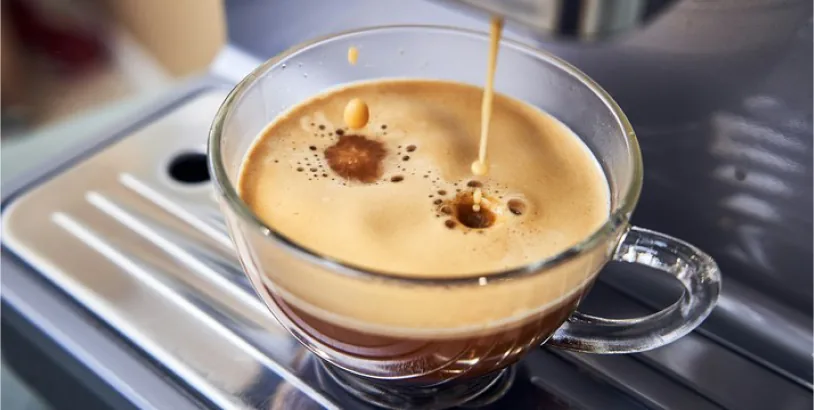
Level and proximity sensing
Measures how full a tank is, or whether a cup is in place, without touching the water.
Evaluation
Interested in this solution?
Get in touch with our engineering team to evaluate it for your system.
Evaluation platform. Firmware and software are under development; each use case requires application-specific validation.
Other solutions
More from our engineers
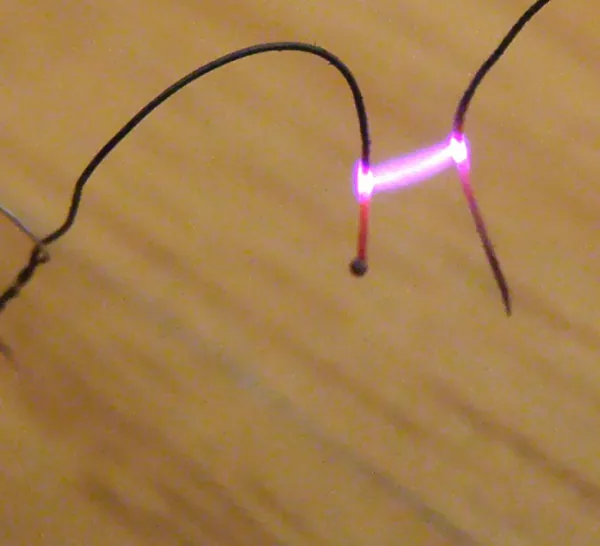
We take the same approach to arc faults, vision and audio.