Tennis pose estimation
No two swings look the same.
Your product has to follow each swing and tell a forehand from a backhand. We do it with pose estimation and a sequence model, and help you build it in.
Last updated
Request a demo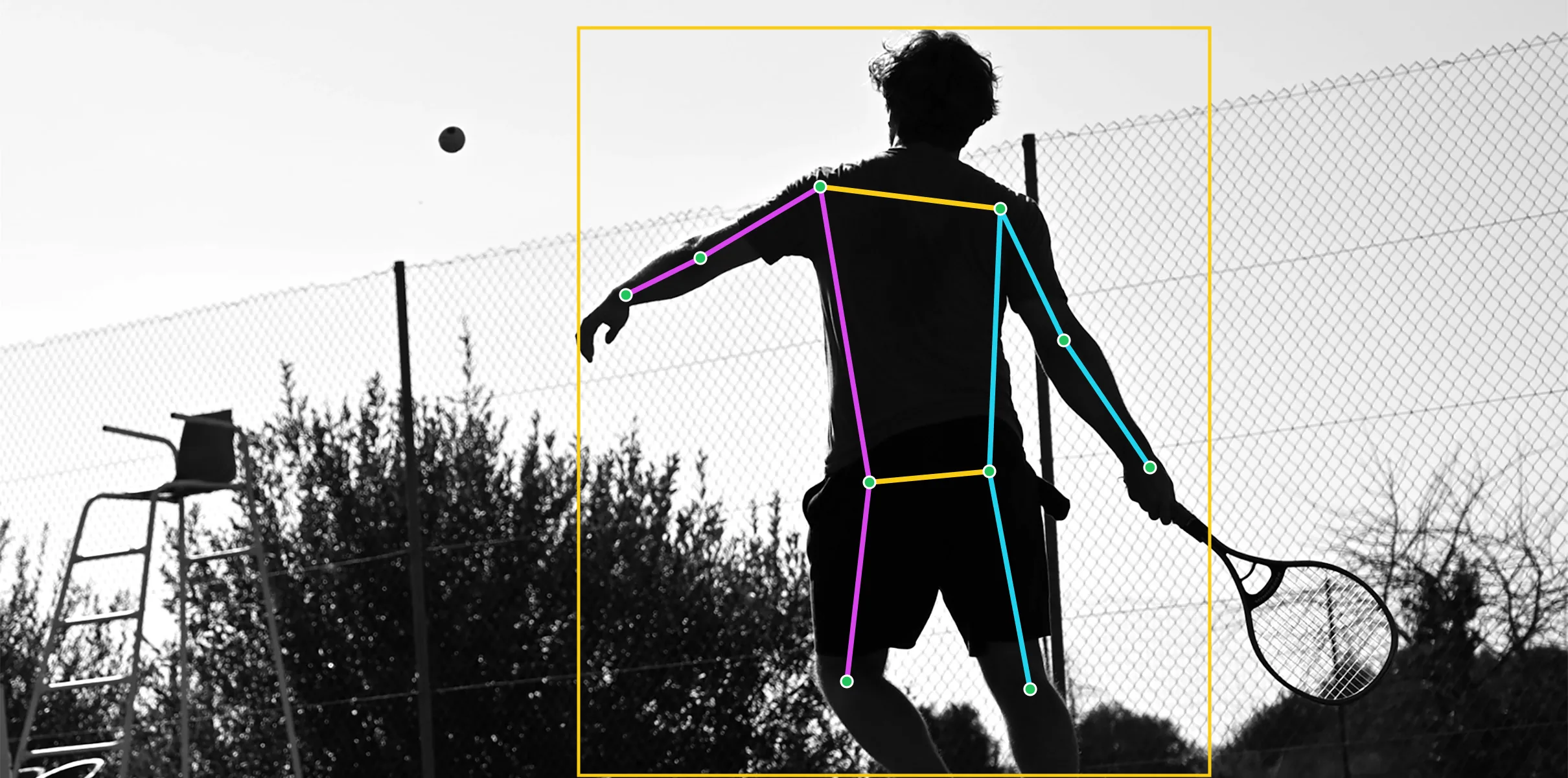
How it works
From the court camera to a stroke count
One frame of a swing can look like several strokes. A sequence model reads the movement over time, so forehands and backhands are told apart.
Your system: Player
The player you follow, among others on court.
Your system: Court camera
Beside the court or behind the baseline.
Our solution: Pose estimation
Finds the player's body joints in every frame.
Our solution: Stroke model
Reads the movement over time and names each stroke.
Your system: Coaching app
Shows the player's forehands and backhands as they play.
What it handles
Counts strokes, not ball bounces
We tune it to your court, then label every stroke in your recordings and check the count.
What it catches
- Forehands
- Forehands from anywhere on the court.
- Backhands
- One- and two-handed backhands.
- Different players
- Players of different heights and styles.
- Left-handers
- Strokes from left-handed players.
- Courtside cameras
- Beside the court or behind the baseline.
What it ignores
- Walking
- Moving between points.
- Waiting
- Standing ready between shots.
- Bouncing the ball
- Bouncing the ball before a point.
- Picking up balls
- Bending to collect balls.
- Other people
- Coaches and other players in view.
Applications
Where it's built in
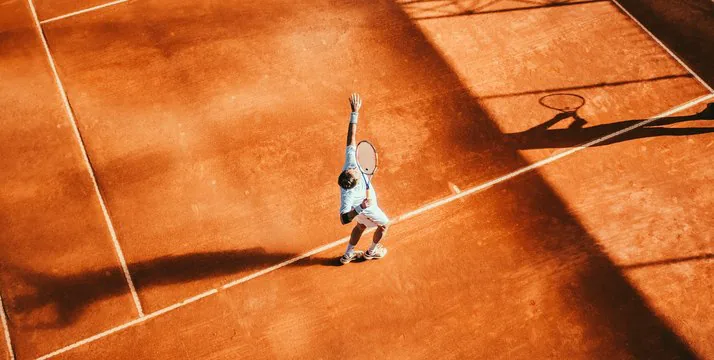
Your product gets a running count of forehands and backhands.
Coaching apps
Feedback on every stroke during practice.
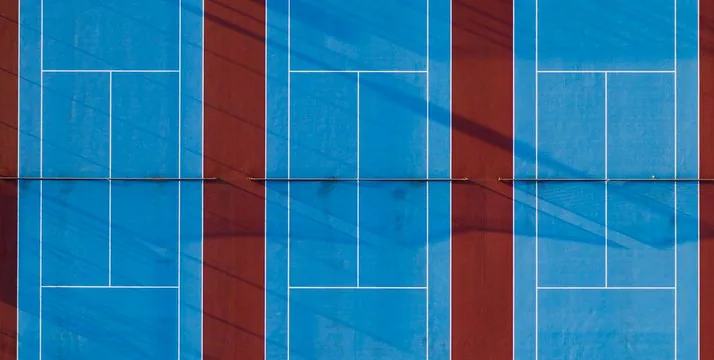
Smart courts
Stroke counts and stats for each session.

Training tools
Stroke counts built into practice equipment.
Evaluation
Interested in this solution?
Get in touch with our engineering team to evaluate it for your system.
Qualification note placeholder: the legal qualification for this solution, kept word for word on each of its pages.
Other use cases
More on computer vision
Five more ways we put computer vision to work.
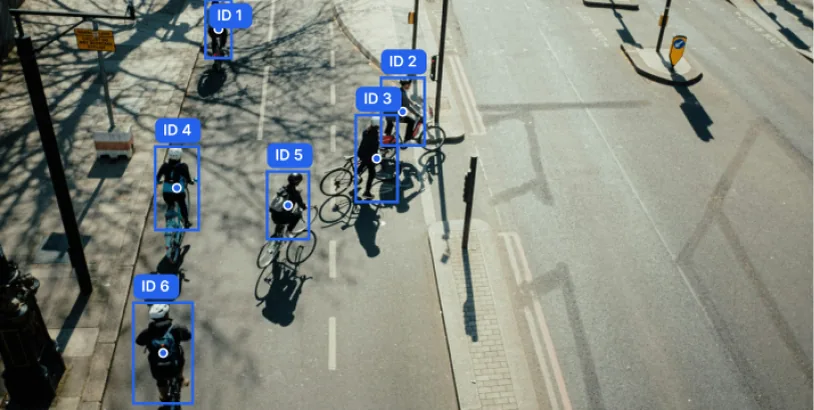
Object tracking
Detects the objects you choose, tracks each one and counts those in a zone or crossing a line.
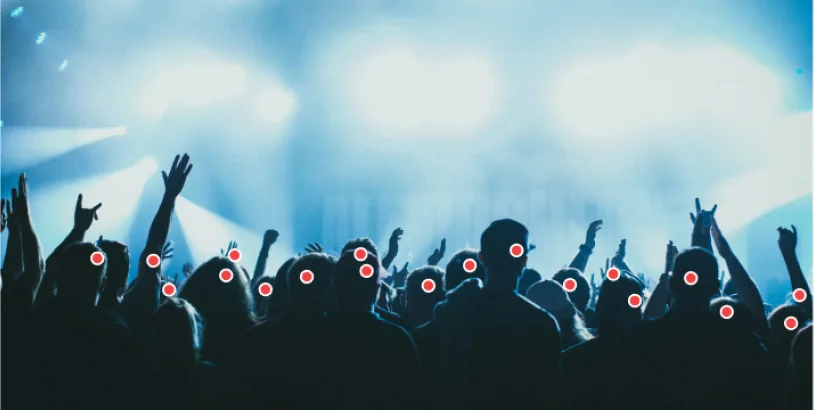
Crowd counting
Estimates crowd density to count heads, and alerts you when the crowd reaches your limit.
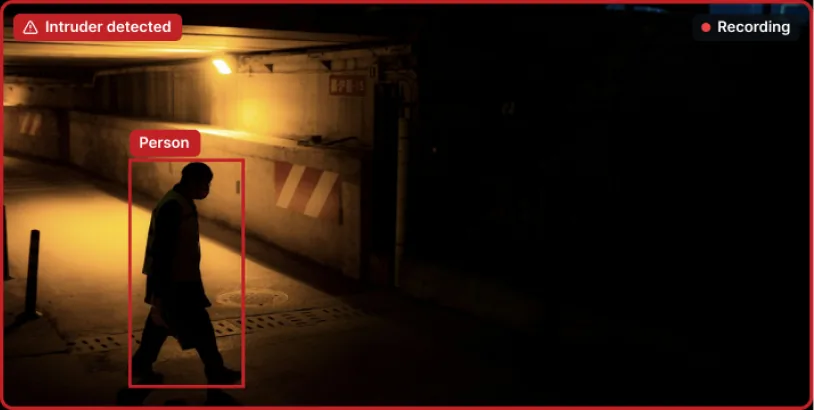
Intrusion detection
Person detection raises an alert when someone enters the area, and records a clip of each event.
Driver monitoring system
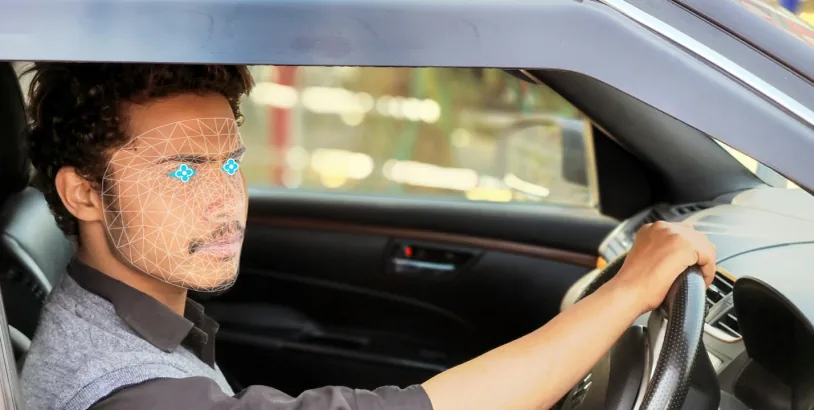
Tracks head pose and eye state to score drowsiness and distraction, and spots phone use and smoking.
Emotion tracking
Classifies expressions as happy, sad, angry or surprised, so your product can respond.