Emotion tracking
Most products can't tell how people feel.
Your product has to read expressions as they change, and respond in a way people find helpful. We do it with an expression classifier, and help you build it in.
Last updated
Request a demo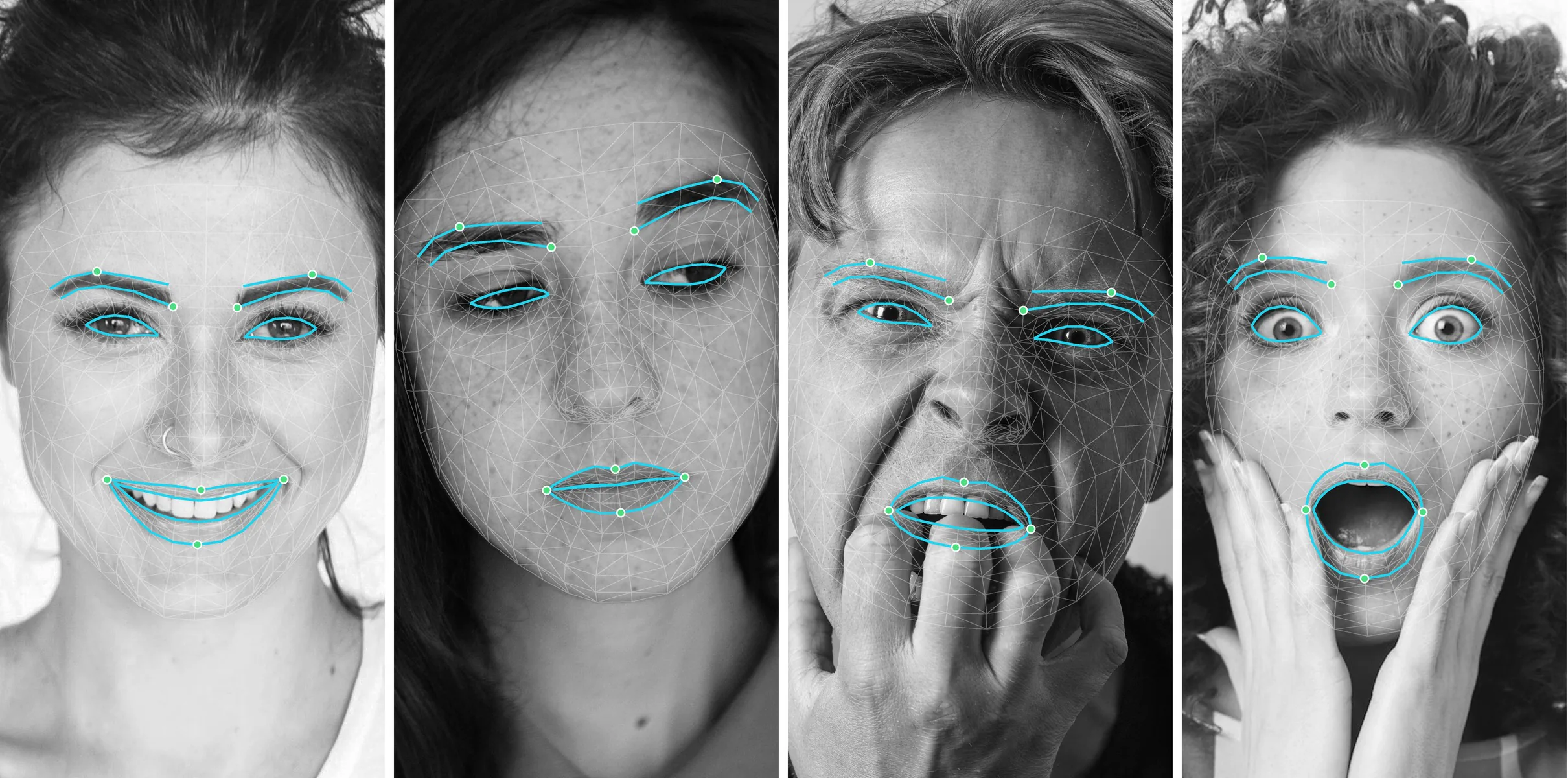
How it works
From a built-in camera to an expression label
Expressions are brief and shift as people talk and turn. An expression classifier reads them moment by moment, so your product can respond as they change.
Your system: Person
Someone using your screen or terminal.
Your system: Built-in camera
A camera in the screen they're using.
Our solution: Expression reading
Reads each expression as happy, sad, angry or surprised.
Our solution: Current expression
The expression it sees now, updated moment by moment.
Your system: Screen
Changes what it shows to suit the expression.
What it handles
Reads expressions, not head turns
We tune it to your screen and setting, then compare each reading with labels people gave the same footage.
What it reads
- Happy
- Positive reactions, from slight to strong.
- Sad
- Low or downcast reactions.
- Angry
- Tense or annoyed reactions.
- Surprised
- Sudden, startled reactions.
- Built-in cameras
- A camera built into the screen people use.
What it ignores
- Talking
- Expressions that change while someone speaks.
- Light changes
- Lighting that brightens or dims.
- Head turns
- Looking away and back.
- Glasses
- People wearing glasses.
- Background movement
- People and objects moving behind.
Applications
Where it's built in
Your product gets the expression it sees, moment by moment, so it can respond.
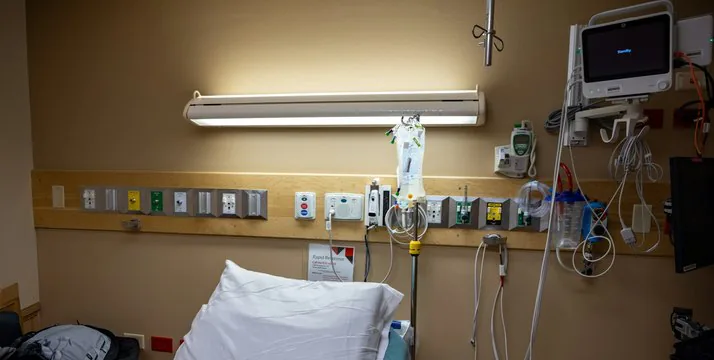
Patient terminals
Bedside screens for patients and carers.
Digital signage
Shop displays that respond to how shoppers react.
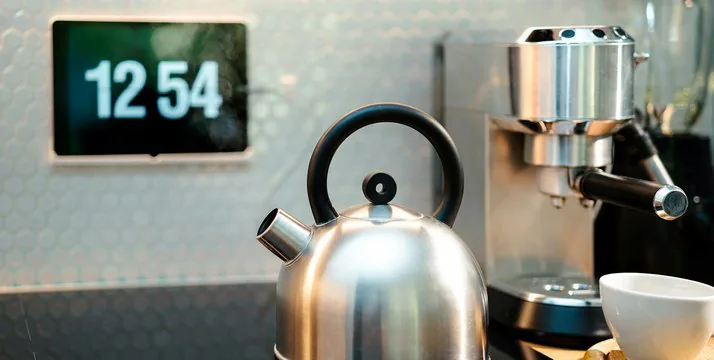
Smart displays
Home assistants that respond to how people react.
Evaluation
Interested in this solution?
Get in touch with our engineering team to evaluate it for your system.
Qualification note placeholder: the legal qualification for this solution, kept word for word on each of its pages.
Other use cases
More on computer vision
Five more ways we put computer vision to work.
Object tracking
Detects the objects you choose, tracks each one and counts those in a zone or crossing a line.
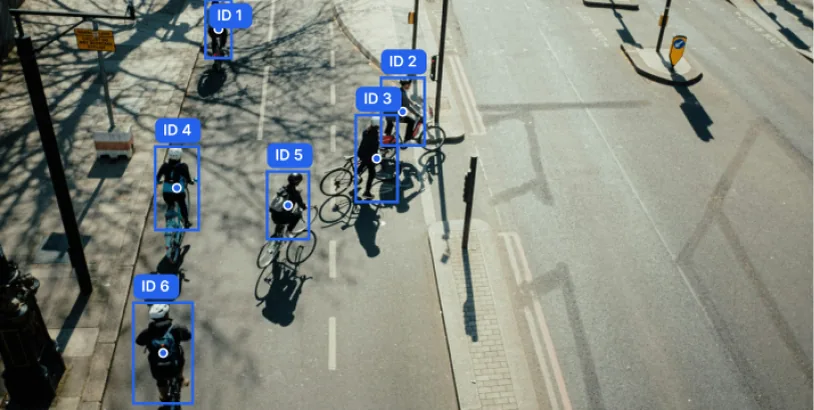
Crowd counting
Estimates crowd density to count heads, and alerts you when the crowd reaches your limit.
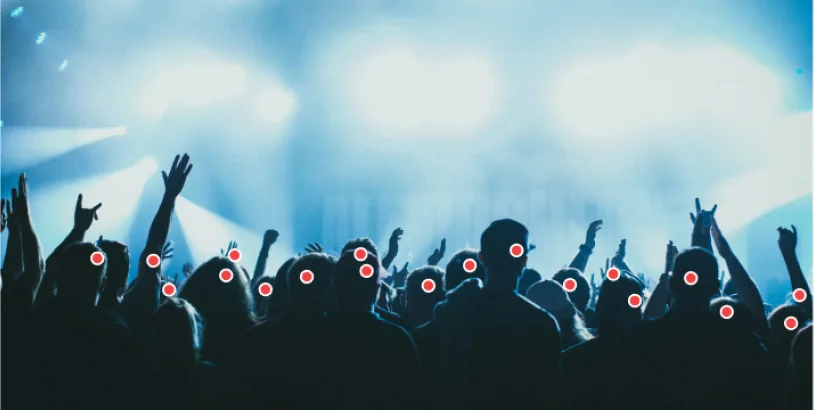
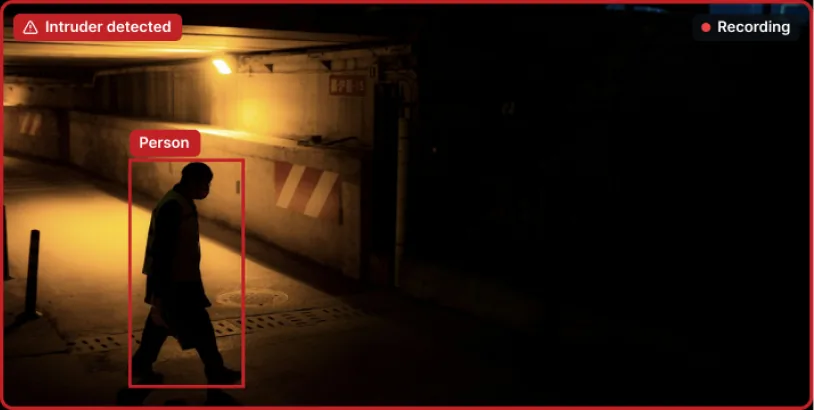
Intrusion detection
Person detection raises an alert when someone enters the area, and records a clip of each event.
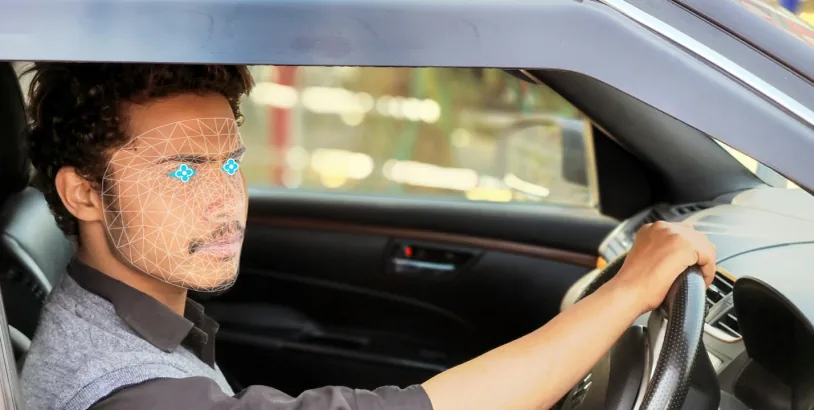
Driver monitoring system
Tracks head pose and eye state to score drowsiness and distraction, and spots phone use and smoking.
Tennis pose estimation
Estimates the player's pose and reads each movement over time to count forehands and backhands.